
Have you been told that replacing all your missing teeth at once is possible, but you’re unsure if it’s the right choice? Many people want a fixed, natural-looking smile but hesitate because they are unsure how full-arch tooth replacement works or whether they qualify for the procedure. Understanding your options before making a decision is essential.
At South Mountain Family Dental, Dr. Dickerson helps patients understand every stage of full-arch restoration so they can make informed choices about their oral health.
If you have lost most or all of your teeth, choosing all-on-x implants in Tempe can help you determine whether this treatment aligns with your long-term goals. This guide explains how All-on-X dental implants work, who may benefit from them, what the treatment process involves, and the factors to consider before moving forward.
What Are All-on-X Dental Implants?
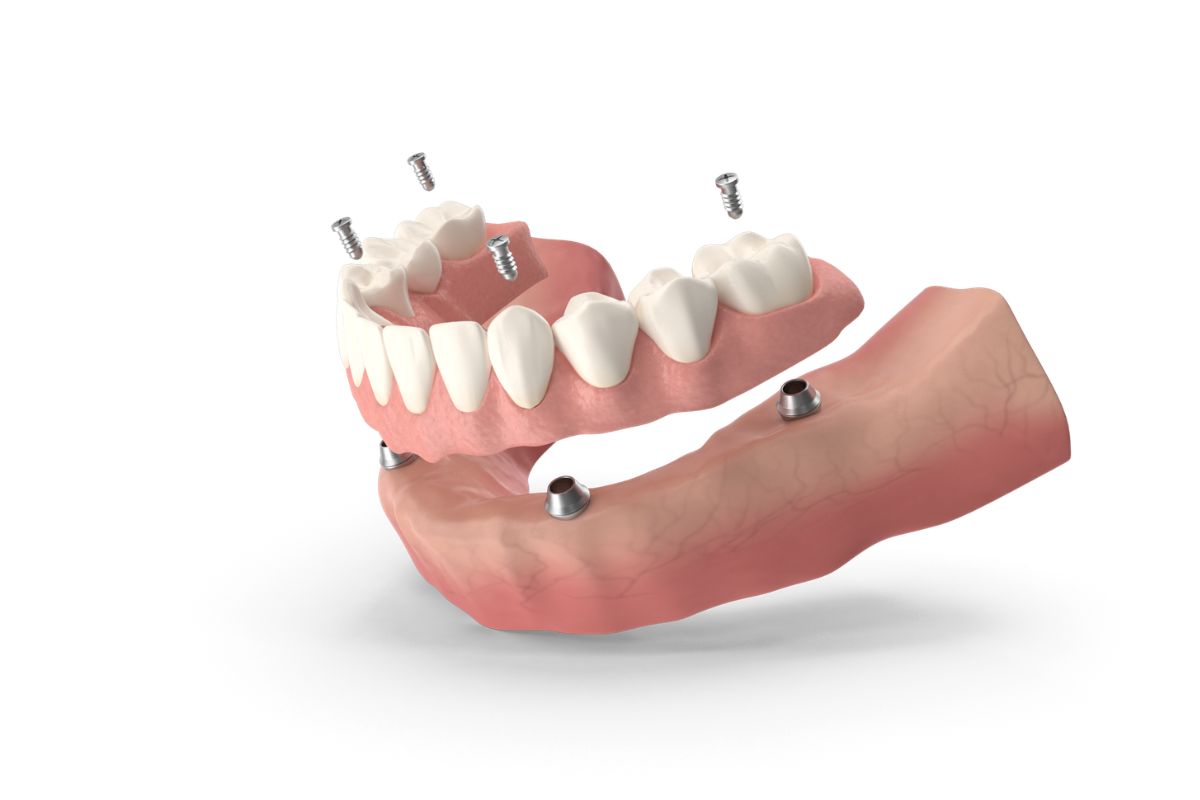
They are a full-arch tooth replacement solution that supports an entire set of replacement teeth with strategically placed implants, rather than replacing each missing tooth individually.
In place of one implant for every missing tooth, this approach uses four or more implant posts positioned where the jawbone offers the strongest support. A custom-made prosthetic arch is then attached to those implants, creating a stable and functional smile.
This treatment is commonly recommended for people who:
- Have lost most or all teeth in one or both arches
- Wear removable dentures and want a fixed alternative
- Have multiple damaged teeth that cannot be restored
- Want improved chewing ability and greater confidence while speaking
Each treatment plan is unique because every patient’s bone structure, oral health, and smile goals are different.
How Does the All-on-X Technique Work?
The success of this treatment depends on careful planning before any implant is placed. Modern digital imaging allows your dentist to evaluate bone density, identify important anatomical structures, and determine the ideal implant positions.
Step 1: Comprehensive Evaluation
Your examination may include:
- Digital X-rays
- 3D CBCT imaging
- Bite analysis
- Review of your medical history
- Assessment of remaining teeth and gum health
This information helps determine whether additional procedures, such as tooth removal or bone preparation, are necessary.
Step 2: Implant Placement
The implants are inserted into areas of the jaw that provide the strongest support. Because they are angled strategically when appropriate, they often maximize existing bone and may reduce the need for bone grafting.
Step 3: Temporary Teeth
Many patients receive a temporary fixed restoration shortly after implant placement. This allows you to leave with functional teeth while the implants integrate with the jawbone as they heal.
Step 4: Final Restoration
Once healing is complete, a custom-designed permanent arch is attached. The final restoration is designed for durability, comfort, and natural appearance while restoring everyday function.
Who Is a Good Candidate for This Treatment?
The ideal candidate is someone with multiple missing teeth or failing teeth who has sufficient jawbone to support implants or is eligible for additional preparatory treatment if needed.
Many people assume they are not candidates because they have worn dentures for years or have experienced some bone loss. In reality, candidacy depends on several clinical factors rather than age alone.
Your dentist will evaluate:
- Overall oral health
- Bone quantity and quality
- Gum condition
- Medical history
- Tobacco use
- Commitment to long-term oral hygiene
You May Benefit If You:
- Not having teeth on the entire upper or lower arch
- Have several severely damaged teeth
- Feel frustrated by loose dentures
- Want a fixed restoration that stays in place
- Want to improve chewing efficiency
Situations That May Require Additional Planning
Some patients need treatment before implant placement. Examples include:
- Active periodontal disease
- Significant bone loss
- Uncontrolled diabetes
- Heavy smoking habits
- Certain medications that affect bone healing
These situations do not always eliminate implant treatment as an option. Instead, they often require careful planning before surgery.
One common misconception is that age automatically disqualifies someone from receiving implants. In reality, overall health and bone condition are far more important than the number of birthdays you’ve celebrated.
Is All-on-X Better Than Traditional Dentures?
The answer depends on your goals, oral health, and expectations. Traditional removable dentures replace missing teeth but rest directly on the gums. Over time, natural bone changes can affect how they fit, leading to movement while eating or speaking.
By contrast, All-on-X dental implants anchor the prosthetic arch directly to implant posts within the jawbone. This creates greater stability and improves bite function for many patients.
| Feature | Traditional Dentures | All-on-X Restoration |
| Stability | May shift during use | Fixed in place |
| Chewing ability | More limited | Improved biting force |
| Bone stimulation | No | Yes |
| Removal | Removed daily | Removed only by the dentist for maintenance |
| Comfort | May require adhesives | No adhesives required |
Another advantage often overlooked is how fixed restorations can simplify daily routines. Patients no longer need denture adhesives or nightly soaking, making oral care more straightforward while maintaining regular hygiene visits.
Many people who switch from removable dentures describe feeling more confident during meals, conversations, and social gatherings because they are no longer concerned about unwanted movement or slipping.
What Are the Benefits of All-on-X Dental Implants?
This treatment offers long-term stability, improved function, and a natural appearance. However, success depends on proper planning, healthy tissues, and ongoing maintenance.
Like any restorative procedure, this option has advantages as well as considerations that patients should understand before making a decision.
Benefits
Many patients choose these implants because they can:
- Restore a full arch of teeth with fewer implant posts
- Improve chewing efficiency for a wider variety of foods
- Provide a fixed restoration that does not shift during daily activities
- Help maintain jawbone stimulation after tooth loss
- Support clearer speech compared to loose dentures
- Deliver a smile designed to complement facial features
One benefit that often receives less attention is improved bite force distribution. Because the restoration is securely supported by implants, chewing pressure is shared more evenly across the arch, helping patients eat more comfortably.
Delaying treatment after losing multiple teeth may also lead to additional bone changes, which can make future treatment planning more complex. That is why an early evaluation is often beneficial, even if you are not ready to begin treatment immediately.
What Should You Expect During Recovery?
Most patients experience mild swelling and discomfort during the first few days after implant placement.
Your dentist will provide detailed instructions to support proper healing and reduce the risk of complications.
During recovery, patients are commonly advised to:
- Eat soft foods while healing progresses
- Keep the surgical area clean using recommended techniques
- Attend scheduled follow-up appointments
- Avoid tobacco products whenever possible
- Follow all medication instructions carefully
Healing occurs gradually as the implants fuse with the jawbone through a natural process called osseointegration. This biological process creates a stable foundation for the final restoration and is one of the key reasons implant-supported teeth can function so effectively over time.
Every patient heals at a different pace, so your dentist will monitor your progress before placing the permanent prosthesis.
How Can You Make Your New Smile Last?
Long-term success depends on excellent home care, regular professional evaluations, and protection of the restoration from unnecessary stress.
Although the replacement teeth cannot develop cavities, the surrounding gums and supporting bone still require ongoing care.
Healthy habits include:
- Brushing twice each day with recommended products
- Cleaning beneath the prosthesis using specialized cleaning aids
- Attending routine professional examinations and maintenance visits
- Wearing a nightguard if teeth grinding is a concern
- Managing medical conditions that may affect healing
Patients sometimes believe that implant-supported teeth require little maintenance because they are artificial. In reality, consistent professional care helps protect the tissues supporting the implants and allows your dentist to identify small concerns before they become larger problems.
Routine maintenance also gives your dental team an opportunity to evaluate the stability of the restoration, check your bite, and ensure everything continues functioning properly.
Why Is a Professional Evaluation So Important?
Every smile is different, which means no two treatment plans are exactly alike. Digital imaging, bite analysis, and a thorough oral examination allow your dentist to determine whether this solution matches your needs.
At South Mountain Family Dental, Dr. Dickerson carefully evaluates factors such as bone quality, gum health, existing restorations, and your long-term oral health goals before recommending treatment.
Patients seeking dental implants in Tempe often appreciate having a clear understanding of all available options before making a decision, including complementary treatments such as implant-supported restorations, bone grafting when appropriate, or other tooth replacement solutions if they better fit the clinical situation.
A comprehensive consultation allows you to ask questions, understand the expected treatment timeline, and receive recommendations based on your individual needs rather than assumptions.
Restore Your Smile with Confidence
Replacing multiple missing teeth is an important decision, and choosing the right treatment starts with accurate information. Understanding how All-on-X dental implants work, who qualifies, and what long-term care entails helps you make a confident, informed choice.
If you are considering dental implants, schedule a consultation with us. A personalized evaluation can determine whether this full-arch solution is appropriate for your smile and help you explore the treatment options that support your long-term oral health and quality of life.
Frequently Asked Questions
1. Can I Receive Implant-Supported Full-Arch Teeth If I Have Worn Dentures For Many Years?
Yes, many long-term denture wearers are candidates for this treatment. Your dentist will evaluate your jawbone, gums, and overall oral health to determine whether additional procedures are needed before implant placement. A professional consultation is the first step toward identifying the most appropriate tooth replacement option.
2. How Many Appointments Are Usually Needed For This Type Of Treatment?
The number of visits varies depending on your oral health and whether extractions or additional procedures are required. Most patients complete the process over several appointments, including evaluation, implant placement, healing, and delivery of the final restoration. Your dentist will explain the expected timeline during your consultation.
3. Will I Be Able To Eat Normally After Treatment?
Patients generally begin with a soft-food diet while healing takes place. Once the implants have fully integrated with the jawbone and the permanent restoration is placed, many people can comfortably enjoy a much wider variety of foods. Your dentist will guide you on when it is safe to return to your normal eating habits.
4. How Do I Clean A Full-Arch Implant Restoration?
Daily cleaning remains essential. Your dentist may recommend specialized brushes, flossing tools, or water irrigation devices to clean beneath the prosthesis and around the supporting implants. Regular professional maintenance appointments are also important for monitoring the health of the surrounding tissues and the restoration.
5. How Do I Know Whether This Treatment Is The Right Choice For Me?
The only reliable way to determine candidacy is through a comprehensive dental examination. Your dentist will assess your oral health, bone structure, medical history, and treatment goals before recommending the most appropriate solution. Scheduling an evaluation allows you to understand your options and make an informed decision about restoring your smile.